


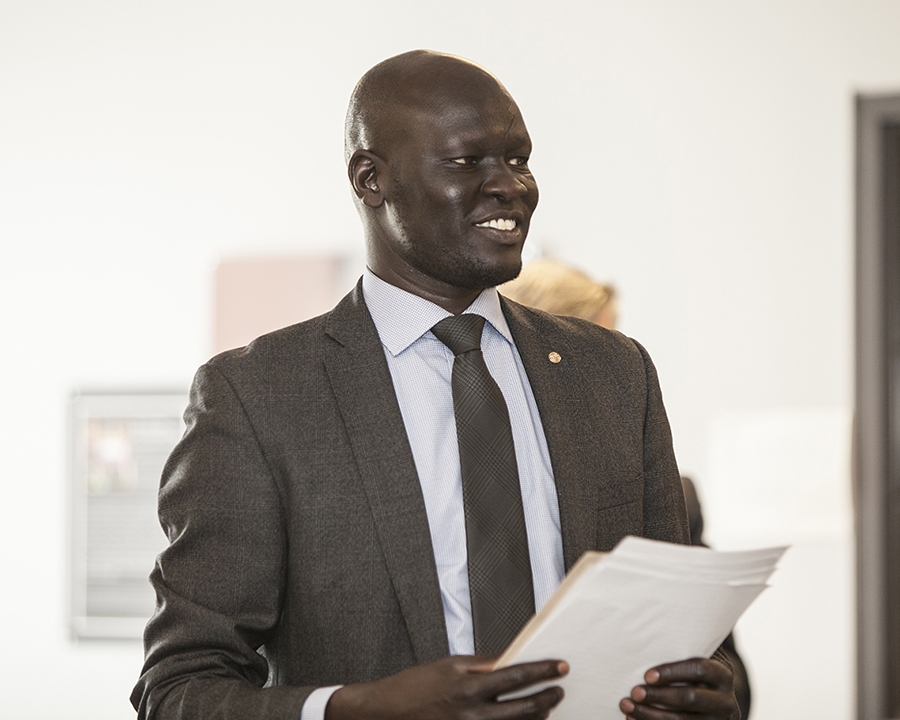
Former child soldier awarded MSC's Distinguished Alumni Award
Menno Simons College (MSC) is pleased to announce David Atem as the recipient of the 2017 Distinguished Alumnus Award.
A former child soldier from South Sudan, Atem came to Canada as a refugee in 2001.
Read More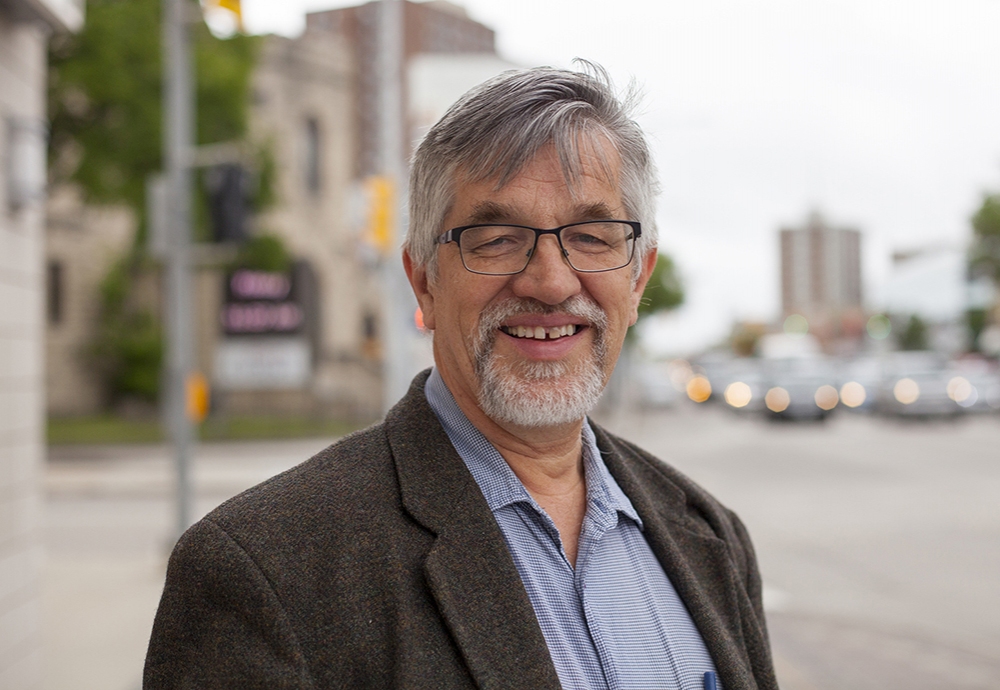
Currently Reading: Neil Funk-Unrau
We asked Neil Funk-Unrau what he's reading, and his answer might surprise you.
What do you like to read?
My fiction interests are fairly wide ranging. Take murder mysteries: the ones I like the most are the ones that take you to a new place, and give you the opportunity to learn about a different part of the world, and a different time.
Read MoreMSC opens doors for mom of four
When Rosa Robert decided to go back to school and enrolled at Menno Simons College (MSC), she knew it would take careful planning. A mother of four, Robert took two courses each semester while working full-time.
“It was challenging at times, looking after my kids, being in school, and working full-time,” Robert says. “I had to be very organized.”
Read MoreMSC profs awarded prestigious federal grants
Two Menno Simons College (MSC) professors are recipients of prestigious federal grant funds through the Social Sciences and Humanities Research Council (SSHRC).
Dr. Jerry Buckland, Professor of International Development Studies, received a grant worth $263,000. Dr. Kirit Patel, Assistant Professor of International Development Studies, received $75,000.
Read More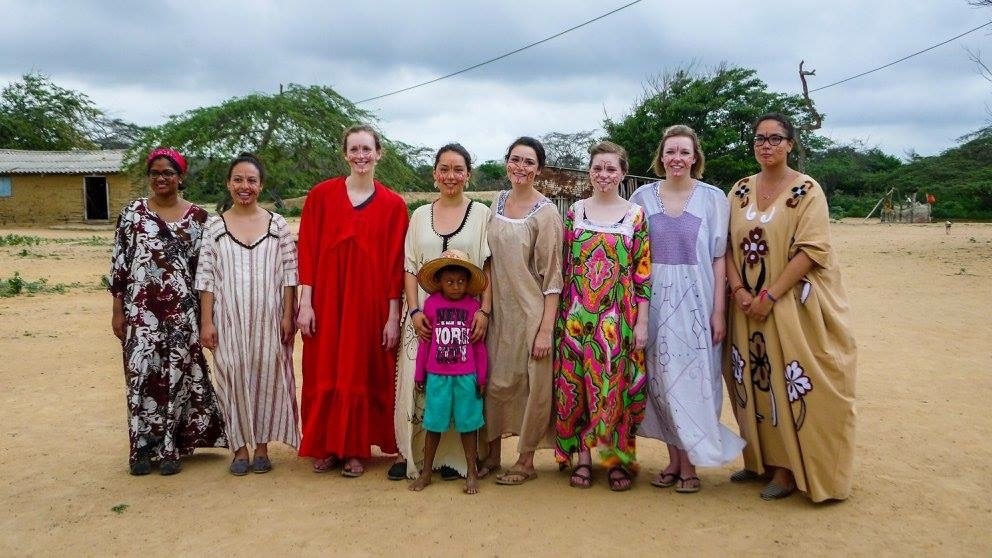
Indigenous rights across cultures: Colombia
I decided to take the field course because I wanted to learn about the struggles that Indigenous peoples face in Latin America, and in Colombia specifically. I was born and raised in Colombia, but my knowledge about Indigenous peoples there was limited. Because this was something I never explored while growing up, I became concerned about how Colombia’s educational system neglects its own history. I wanted to experience my country in a different light and learn about how my personal history is connected to its Indigenous peoples.
Read More Print This Page