
CMU student's involvement in Chatterbox research project leads to deeper understanding of storytelling
 'The Chatterbox', David Balzer's 1978 camping trailer retrofitted to be a mobile audio-recording studio used to collect neighbourly stories of kindness, gratitude, and community.
Amanda Dueck may have a background in filmmaking, but her experience at CMU in an audio recording studio has given her a whole new perspective on storytelling.
Dueck, who entered CMU's Communications and Media program to follow her passion for filmmaking, has, for the past two months, been helping run a special mobile audio-recording studio retrofitted out of a 1978 camping trailer called 'the Chatterbox'.
The Chatterbox is run by David Balzer, Associate Professor of Communications and Media at CMU, and is his latest research project documenting stories and community connection in Winnipeg.
Balzer brings the studio to community centres and block parties, inviting strangers to share stories of appreciation about a neighbour.
For Dueck, the project became part of her final credits at CMU, where she began working with Balzer as a research assistant.
That experience connects directly to her studies in communications and media. She says the program has given her a new understanding of the various mediums of film, journalism, and audio in a way that has helped shape how she tells stories.
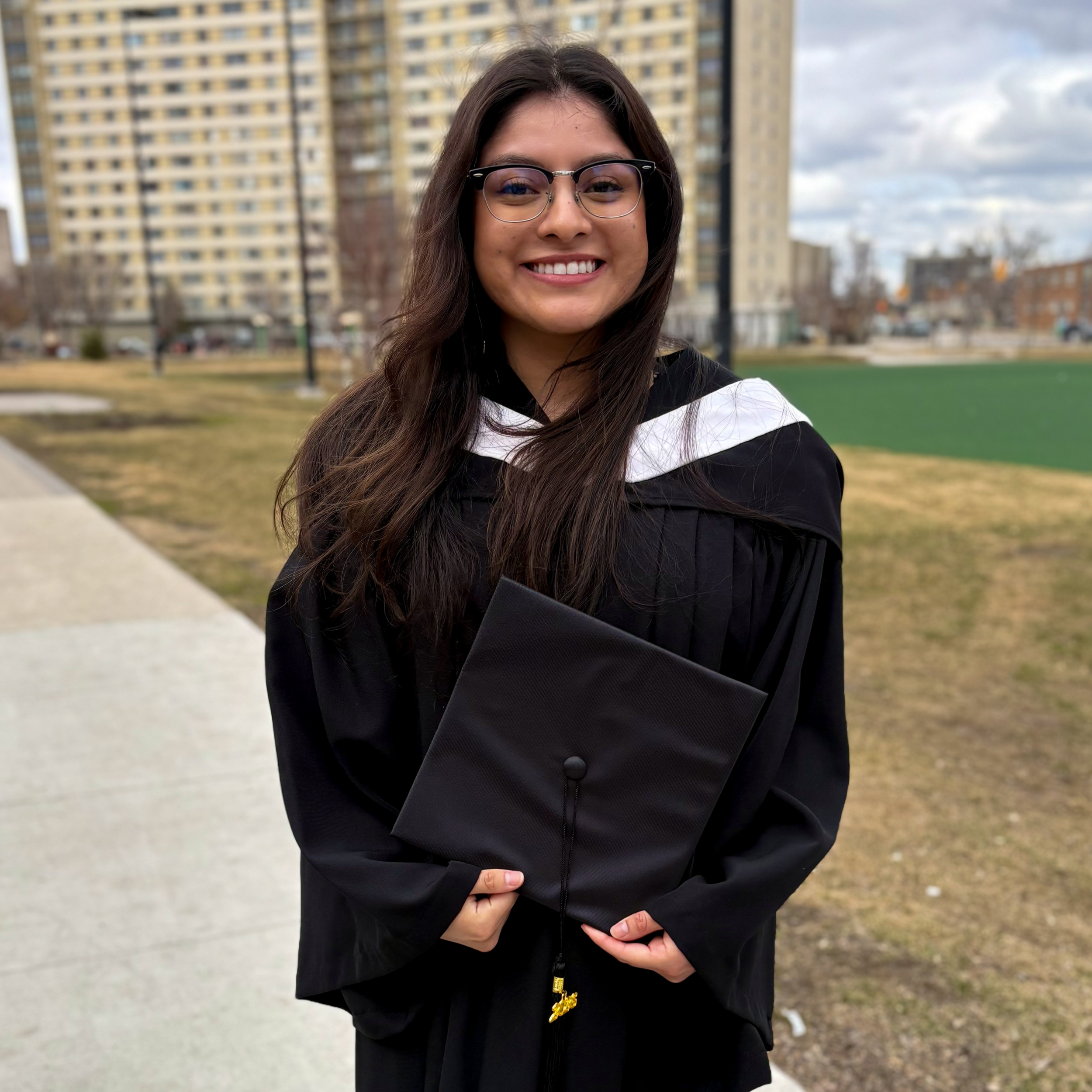
Amanda Dueck says the CMU Communications and Media says the program has given her a new understanding of the various mediums of film, journalism, and audio in a way that has helped shape how she tells stories.
"I think it just really gives you a well-rounded education on very many different paths," Dueck says.
Working on the Chatterbox has added another layer to her understanding of storytelling.
"It's been really interesting to see just how much of an effect audio can also have," Dueck says.
"We focus a lot on the effects that film has, but I think seeing how big of a role audio can also have in shaping perspectives and just creating safe spaces for people to talk to each other."
Alongside the creative work, with Chatterbox, Dueck has also helped build the organizational systems that support the project as it grows. Much of it involves tracking participants and consent as recordings are collected at events.
The conversations in the Chatterbox vary, but often focus on small, specific moments of neighbourliness and community.
Dueck says it's been surprising to see the unconscious effect we have on people in our daily lives.
"To hear these stories from the other perspective, somebody talking about a small thing their neighbour did for them, and it made a lasting impression, and they remember that for a long time, even if it happened a few years ago. They still remember it now," she says.
For Balzer, the recordings reflect how people respond to the format itself as much as the stories being told.
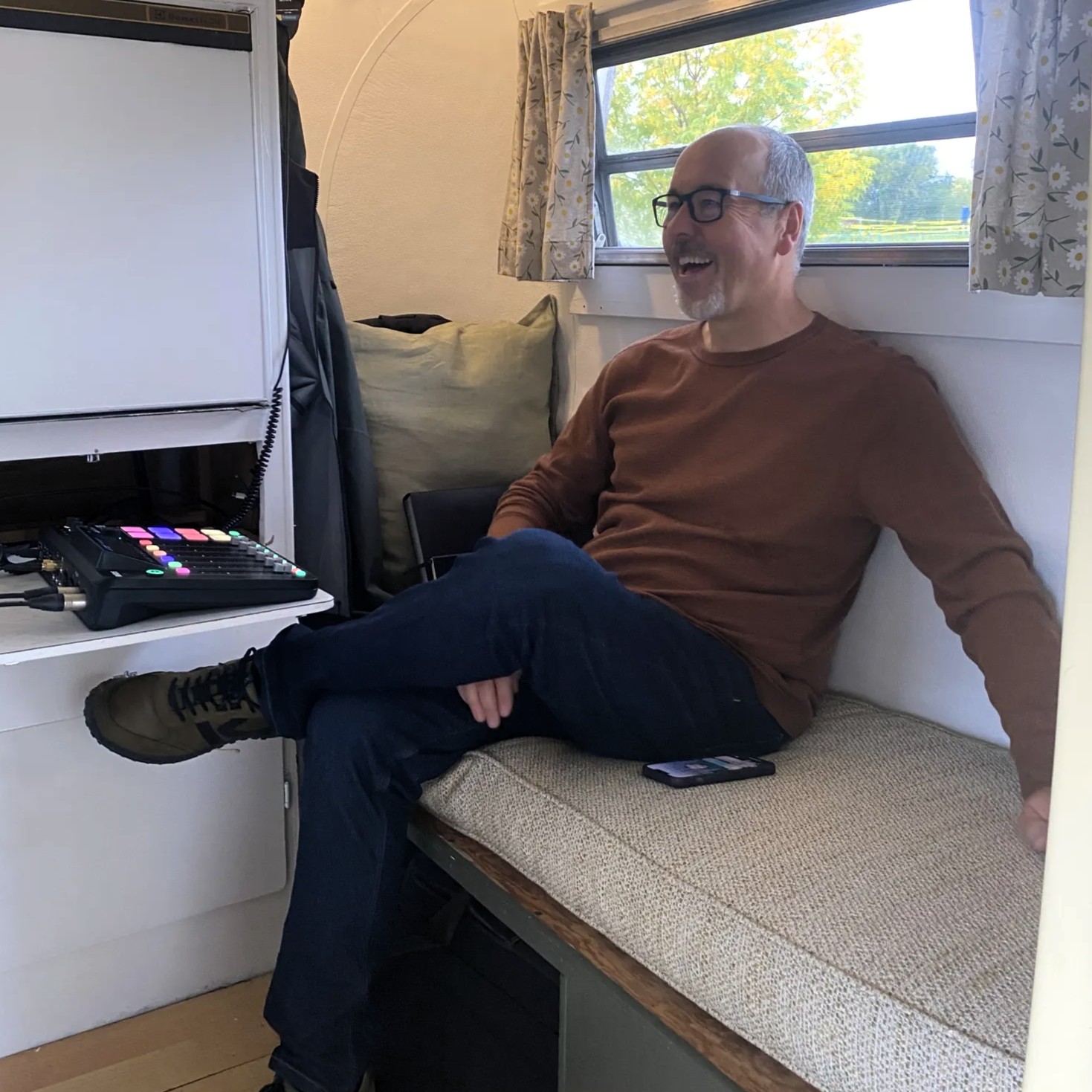
Coming soon to a block party near you: David Blazer sits back and enjoys the storytelling in 'The Chatterbox'.
"We hear the joy and often emotion in their voices as they share a story about someone who showed them kindness," he says.
"They step out with a lot of joy and happiness. It makes sense, when we make the effort to express gratitude and care about someone else, no matter how big or small the effort, we become more alive."
Dueck says the Chatterbox creates a "structured space" for conversation that might not otherwise happen in everyday settings.
"...the Chatterbox is where you can just talk to each other and really focus on the things that you have in common or the things that build community and strengthen those relationships rather than the things that may divide you."
"There's still that lasting effect of creating community, and I think that's been really cool to see," she says.
Learn more about the Chatterbox project here.